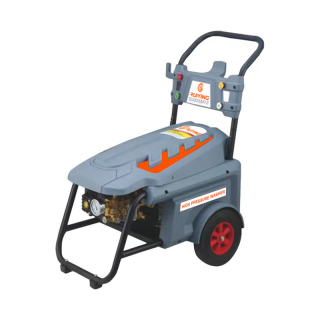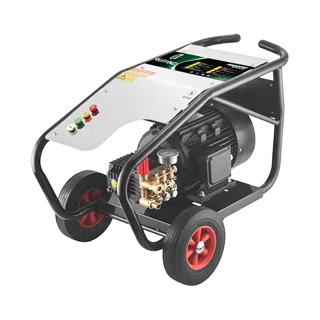
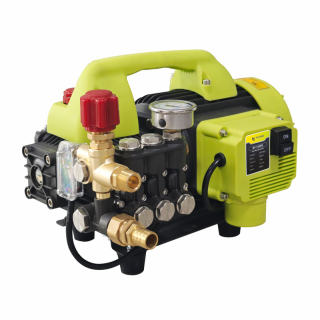
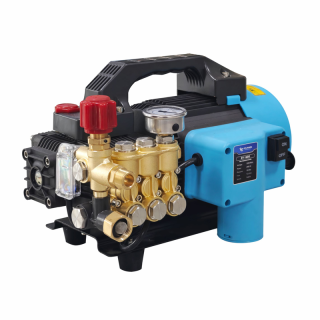
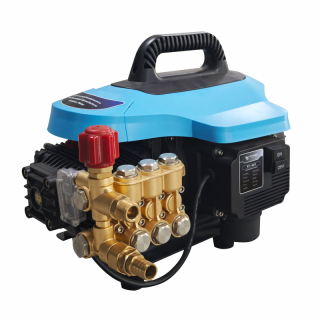

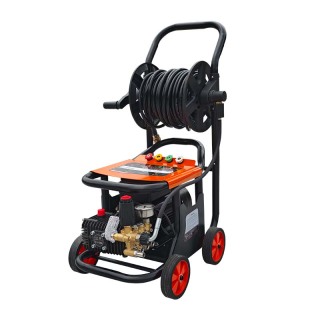
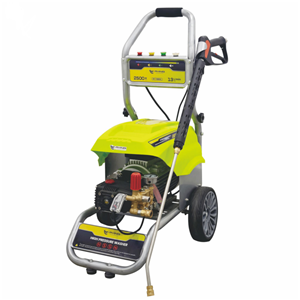
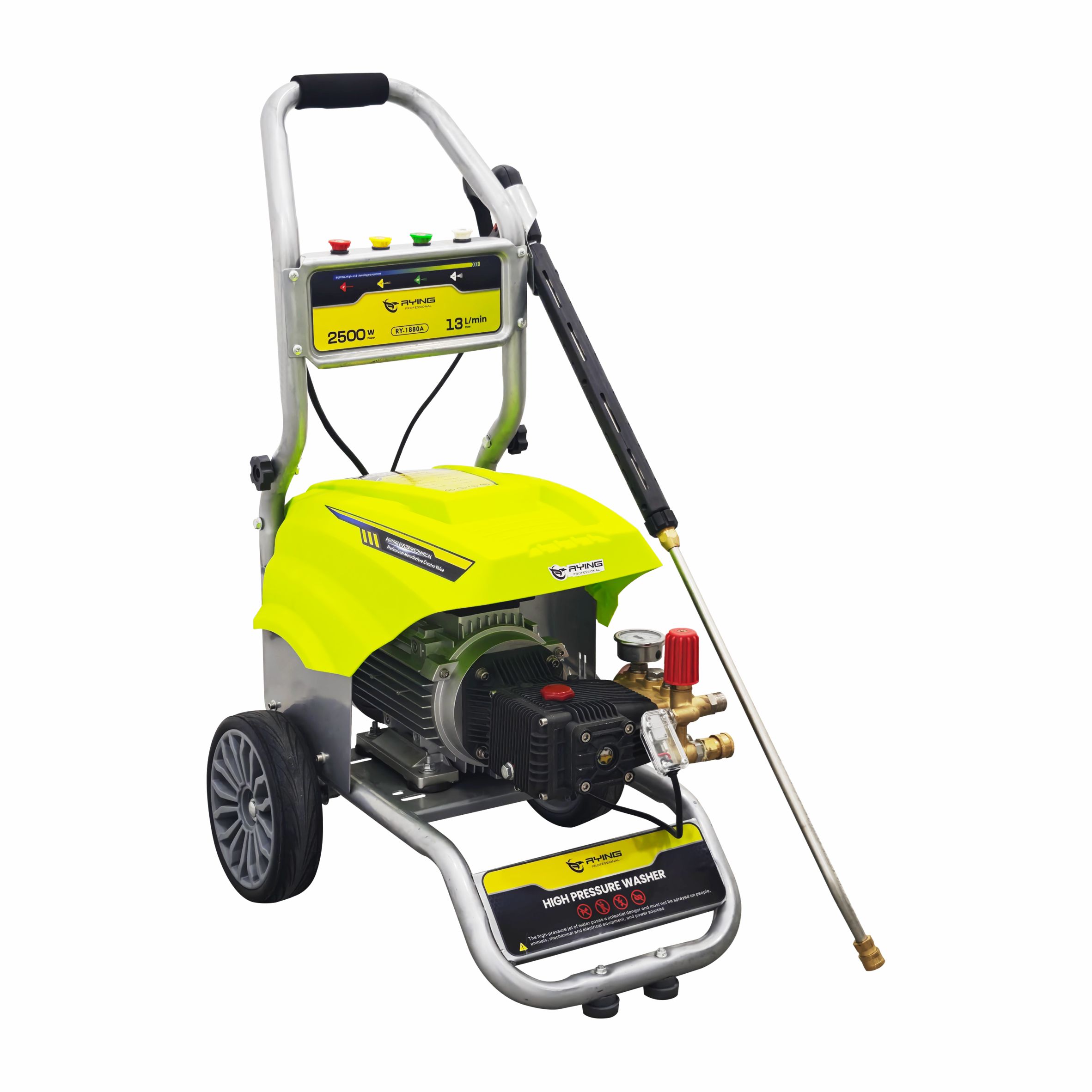
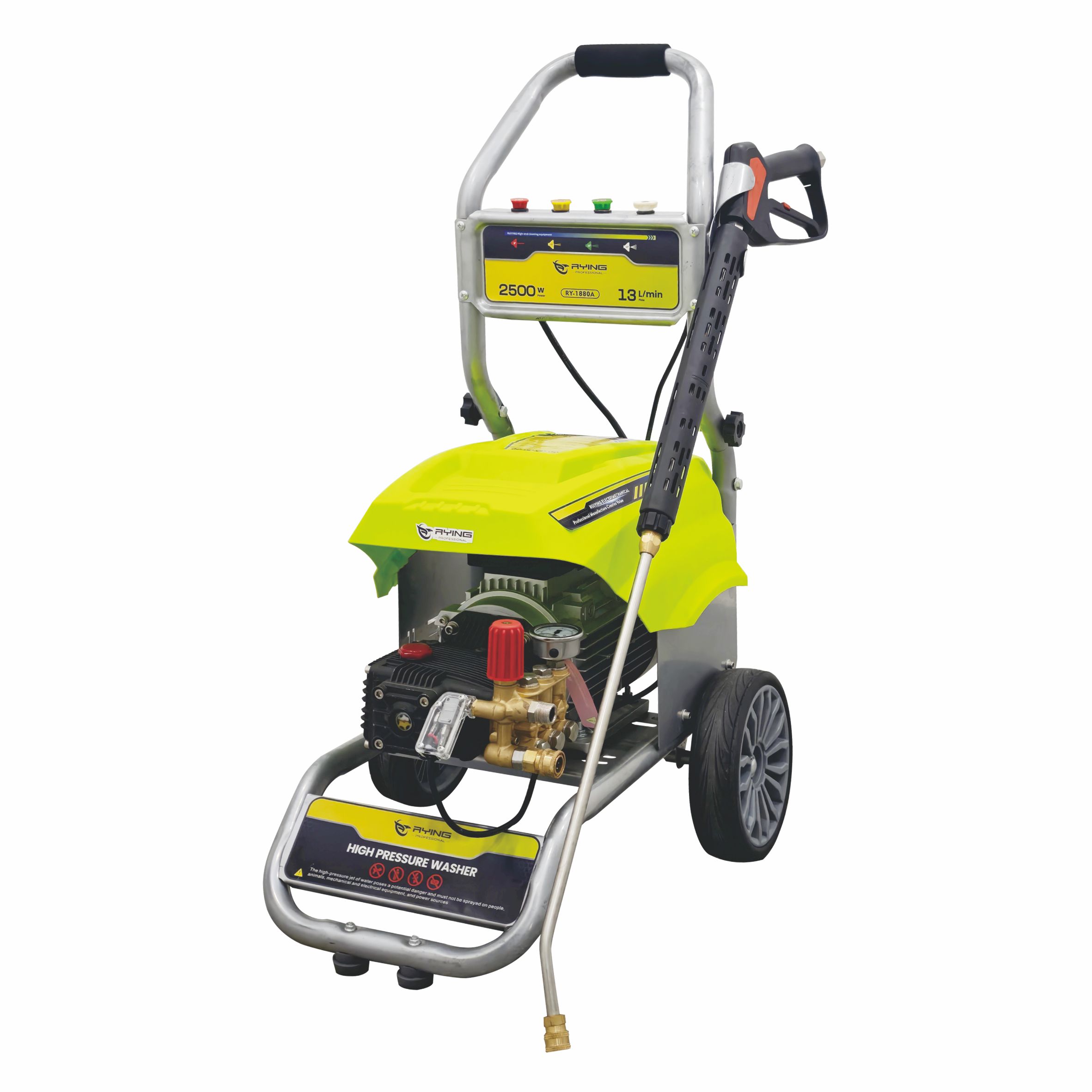
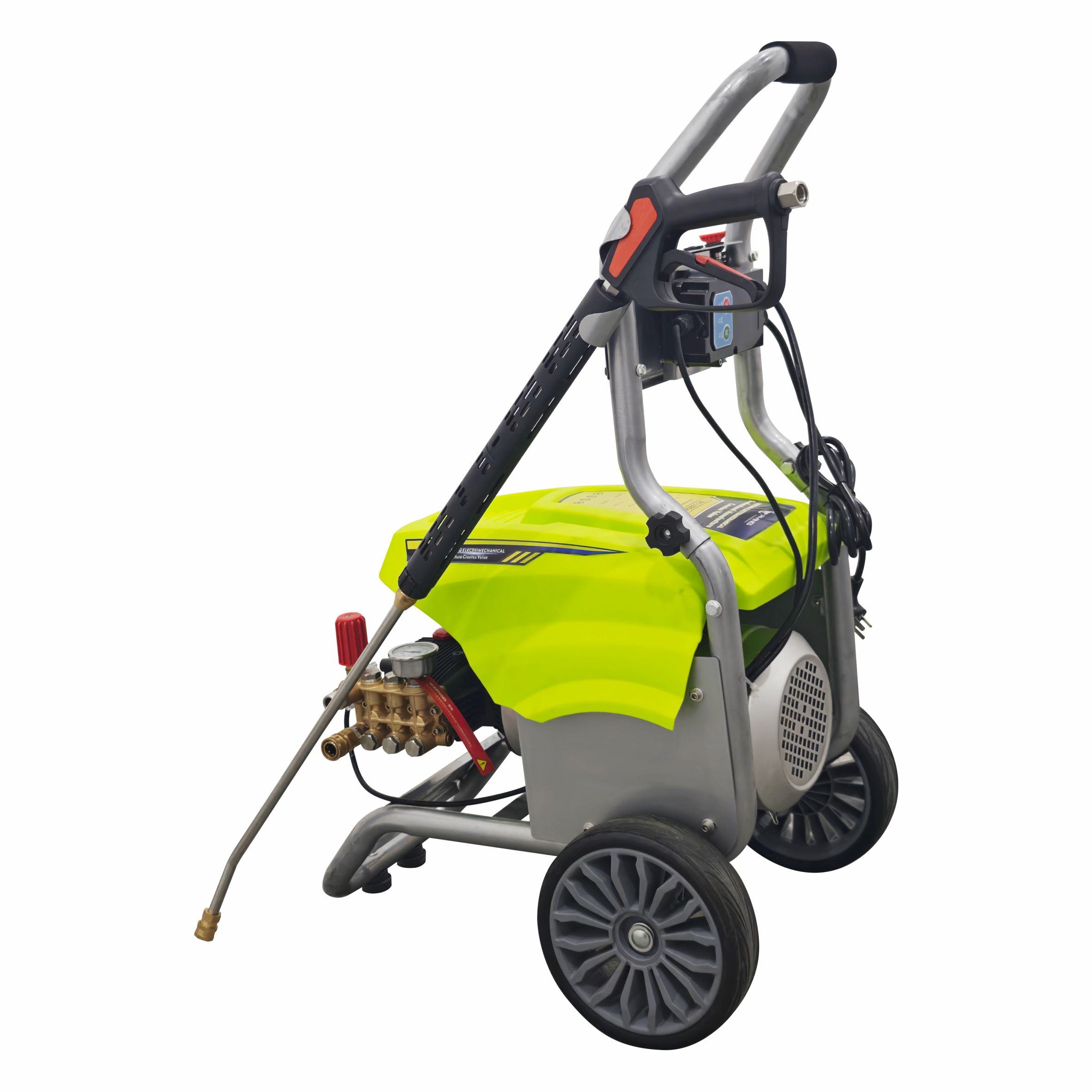
Industrial 3000KW high pressure washer
This high-pressure cleaning machine relies on its own-developed high-pressure pump technology. Its 3000W power and 14L/min water output efficiency meet the needs of commercial, industrial, and other applications.
The Application, Maintenance and Technological Innovation of Industrial High Pressure Washer
In the realm of industrial cleaning, the Industrial High Pressure Washer stands as an indispensable piece of equipment, redefining the efficiency and effectiveness of dirt, grime, and contaminant removal across diverse sectors. Unlike ordinary cleaning tools, the Industrial Pressure Washer leverages high-pressure water jets, typically ranging from 1000 to 5000 PSI (pounds per square inch), and in some heavy-duty models, even exceeding 10,000 PSI, to tackle the most stubborn industrial residues—whether it’s grease caked on manufacturing machinery, scale buildup in pipelines, or concrete stains in construction sites. Even the heavy duty car washer, a specialized variant of industrial high-pressure cleaning equipment, has carved out a critical niche in automotive manufacturing and fleet maintenance, proving the versatility of this technology across both industrial and commercial automotive sectors.
The application scope of the Industrial High Pressure Washer is as vast as it is varied, spanning manufacturing, construction, municipal services, food processing, and automotive industries, among others. In the manufacturing sector, factories rely on the Industrial Pressure Washer to clean production lines, machine tools, and metal components. For instance, in automotive manufacturing plants, the heavy duty car washer is used to blast away metal shavings, lubricants, and paint overspray from vehicle frames and parts during the assembly process, ensuring that each component meets strict quality standards before final assembly. Beyond automotive applications, general Industrial High Pressure Washer units are deployed in chemical plants to remove corrosive chemical residues from reaction vessels and pipelines, a task that would be nearly impossible with manual cleaning and far too risky with abrasive chemical cleaners. In the construction industry, these washers are instrumental in cleaning concrete surfaces, removing form release agents, and preparing surfaces for painting or coating, while municipal authorities use them to clear clogged sewers, clean public infrastructure like bridges and sidewalks, and even remove graffiti from public buildings—all tasks that demand the raw power of an Industrial Pressure Washer.
In the food processing industry, hygiene is non-negotiable, and the Industrial High Pressure Washer plays a pivotal role in maintaining sanitized production environments. These washers can effectively remove food debris, oil, and bacteria from processing equipment, conveyor belts, and storage tanks without leaving behind chemical residues, aligning with strict food safety regulations. Even in the shipping and marine industry, Industrial High Pressure Washer systems are used to clean ship hulls, removing barnacles and marine growth that can impede vessel speed and fuel efficiency. For fleet management companies, the heavy duty car washer is a workhorse, capable of cleaning entire fleets of trucks, buses, and delivery vehicles in a fraction of the time it would take with manual washing, significantly reducing labor costs and increasing operational efficiency.
While the Industrial High Pressure Washer is engineered for durability, proper maintenance is essential to ensure its longevity and consistent performance—especially given the heavy-duty conditions in which these machines operate. The first rule of maintenance for any Industrial Pressure Washer is to conduct a pre-operation check: inspect the high-pressure hose for cracks or leaks, ensure the nozzle is free from clogs (a common issue when cleaning debris-laden surfaces), and verify that the pump oil level is adequate. For the heavy duty car washer, which often deals with mud, road salt, and automotive fluids, checking the inlet filter for blockages is particularly important, as contaminants can damage the pump and reduce water flow.
After each use, the Industrial Pressure Washer requires thorough post-operation care. Drain all remaining water from the pump, hoses, and spray gun to prevent freezing in cold climates, which can cause irreparable damage to the pump’s internal components. For models with gasoline engines, it’s crucial to turn off the fuel valve and run the engine until it stalls to clear the carburetor, preventing fuel degradation and clogs. For electric Industrial Pressure Washer units, disconnect the power supply and wipe down the control panel to prevent water damage and electrical malfunctions. The heavy duty car washer, in particular, benefits from a quick rinse of the spray gun and nozzle after cleaning vehicles, as road grime and soap residue can harden and block the nozzle over time.
Regular scheduled maintenance is equally vital for the Industrial Pressure Washer. The pump, the heart of the machine, requires oil changes every 50 to 100 hours of operation, depending on the manufacturer’s recommendations. Using the correct grade of pump oil is critical—low-quality oil can cause excessive wear and overheating. Seals and O-rings, which prevent water leaks, should be inspected every few months and replaced if they show signs of cracking or wear. For the Industrial Pressure Washer’s high-pressure hose, avoid kinking or dragging it over sharp surfaces, as this can weaken the hose and lead to bursts. The heavy duty car washer’s wheels and cart frame (if equipped) should also be checked for rust and lubricated regularly, especially if used in outdoor or corrosive environments like coastal areas.
Technological innovation has further elevated the capabilities of the Industrial High Pressure Washer in recent years, making these machines more efficient, user-friendly, and environmentally sustainable. Modern Industrial Pressure Washer models often feature variable pressure settings, allowing operators to adjust the water pressure to match the cleaning task—from gentle cleaning of delicate surfaces to ultra-high pressure for tough industrial grime. Some advanced Industrial Pressure Washer units integrate hot water or steam cleaning functions, which use heat to break down grease and oil more effectively, reducing the need for harsh chemical cleaners. The heavy duty car washer has also benefited from these innovations, with many models now offering foam cannons and adjustable nozzles that deliver a thick layer of cleaning foam, enhancing the removal of stubborn automotive dirt without scratching paintwork.
Energy efficiency is another key focus of modern Industrial High Pressure Washer design. Electric models now use brushless motors, which consume less power and have a longer lifespan than traditional brushed motors. Gasoline-powered Industrial Pressure Washer units are equipped with fuel-injected engines that improve fuel economy and reduce emissions, aligning with global environmental regulations. Additionally, water recycling systems are being integrated into some Industrial Pressure Washer setups, allowing businesses to reuse water for cleaning, reducing water waste and operational costs—an especially valuable feature for large-scale industrial facilities and car wash operations using the heavy duty car washer.
The future of the Industrial High Pressure Washer is poised for even more exciting advancements, with the integration of smart technology leading the way. IoT-enabled Industrial Pressure Washer units can now send real-time data to operators, alerting them to maintenance needs, pressure irregularities, or potential equipment failures before they escalate. Some models even feature remote control operation, allowing workers to operate the Industrial Pressure Washer from a safe distance when cleaning hazardous areas. For the heavy duty car washer, automation is becoming increasingly common, with robotic heavy duty car washer systems now used in large automotive dealerships and fleet centers, delivering consistent cleaning results with minimal human intervention.
In conclusion, the Industrial High Pressure Washer is far more than just a cleaning tool—it is a cornerstone of modern industrial operations, driving efficiency, hygiene, and cost savings across countless sectors. From the manufacturing floor to the automotive workshop, the Industrial Pressure Washer and its specialized variant, the heavy duty car washer, continue to evolve to meet the changing needs of industries worldwide. With proper maintenance and the adoption of new technologies, these powerful machines will remain essential assets for industrial cleaning for years to come, proving that the Industrial High Pressure Washer is not just a piece of equipment, but a catalyst for cleaner, more productive industrial environments.