How to adjust the pressure
High-pressure cleaning machines primarily adjust pressure through pressure regulators, the replacement of nozzles, or the regulation of pump speed. The specific methods of operation must be chosen flexibly based on the type of equipment and the object being cleaned.
Main methods of regulation.
Use the pressure regulator: This is the most straightforward method of adjustment. While the equipment is operating, rotate the pressure regulator (which is usually located near the pump casing or control panel). Rotate it clockwise to increase pressure and counterclockwise to decrease pressure. Operate the adjustment slowly and ensure that the pressure does not exceed the equipment’s rated maximum value.
Replacing the nozzle: Changing to a nozzle with a different aperture size can alter the pressure. A smaller-aperture nozzle will result in more concentrated water flow and increased pressure, while a larger-aperture nozzle will distribute the water flow more widely, reducing the pressure. For example, using a smaller-aperture nozzle is suitable for cleaning stubborn stains on car tires, chassis, and other components, while a larger-apertured nozzle is better suited for cleaning large areas of the vehicle’s body or fragile surfaces like glass.
Adjust the speed of the water pump (some equipment supports this): Increasing the pump’s speed can raise the pressure, while decreasing the speed lowers the pressure. This operation should also be performed gradually to avoid damaging the pump.
Standard adjustment procedure.
To ensure that the adjustment is accurate and safe, please follow these steps:
Verify the equipment and components: Start by consulting the user manual to determine the type of cleaning machine you have (e.g., plunger pump, electronic intelligent model), as well as the specific locations of the pressure regulator and pressure gauge.
Start-up and evacuation: Connect the water supply and power source, activate the equipment, and allow the spray gun to continuously dispense water for a period to evacuate air from the system.
Gradually adjust and observe: align the spray gun with a safe area (such as open ground), slowly rotate the pressure regulator (with each rotation, the angle should not exceed 15 degrees), and observe the changes in the pressure gauge indicator until the desired pressure level is reached.
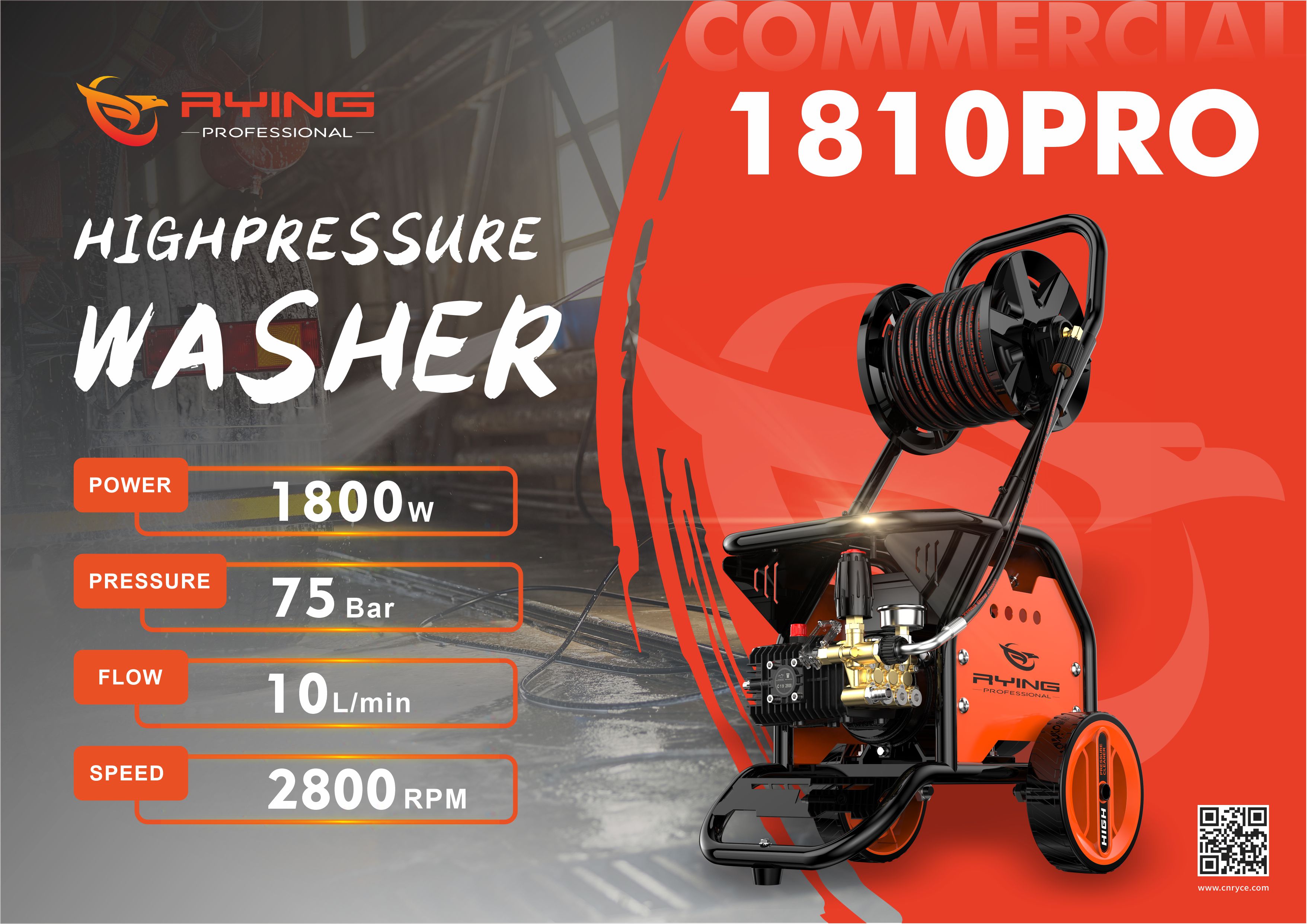
Testing and Verification: After the adjustment is complete, operate the system with the water outlet in place for a brief period to confirm that the pressure is stable, there are no unusual sounds or leaks. Only then can the formal cleaning process begin.
Pressure selection recommendations.
When adjusting the pressure, choose an appropriate range based on the material of the cleaning object and the extent of the stains.
Vulnerable surfaces (e.g., car glass, plastic components): it is recommended to use lower pressures, such as 2-3 MPa (approximately 20-30 bar).
Persistent stains or surfaces that are resistant to cleaning (e.g., tires, chassis, concrete floors): Higher pressures can be used, such as 4-6 MPa (approximately 40-60 bar) or higher.
General cleaning (e.g., paint surfaces on vehicles): The typical pressure range used is approximately 80-120 bar.
Note: Always ensure that the pressure remains within the device’s rated range. Prolonged over-pressurization can shorten the lifespan of the equipment. After completing the operation, it is recommended to rotate the pressure regulator back to the low-pressure position.