Detailed explanation of the pump head and plunger of a high-pressure cleaning machine.
I. Role Definition
The plunger is the core load-bearing moving component of the crankshaft three-cylinder high-pressure pump. It is installed within the ceramic sleeve of the pump head. The crankshaft connecting rod drives the reciprocating expansion: backward suction of water and forward pushing to increase pressure. The three plungers work in staggered fashion to generate stable high-pressure water flow.
The pump is leaking, the pressure is dropping, there are unusual sounds, and the pump head is hot. 80% of the faults are caused by the wear, stretching, and corrosion of the plunger.
2. Mainstream materials (industry-specific classifications, commonly used in foreign trade).
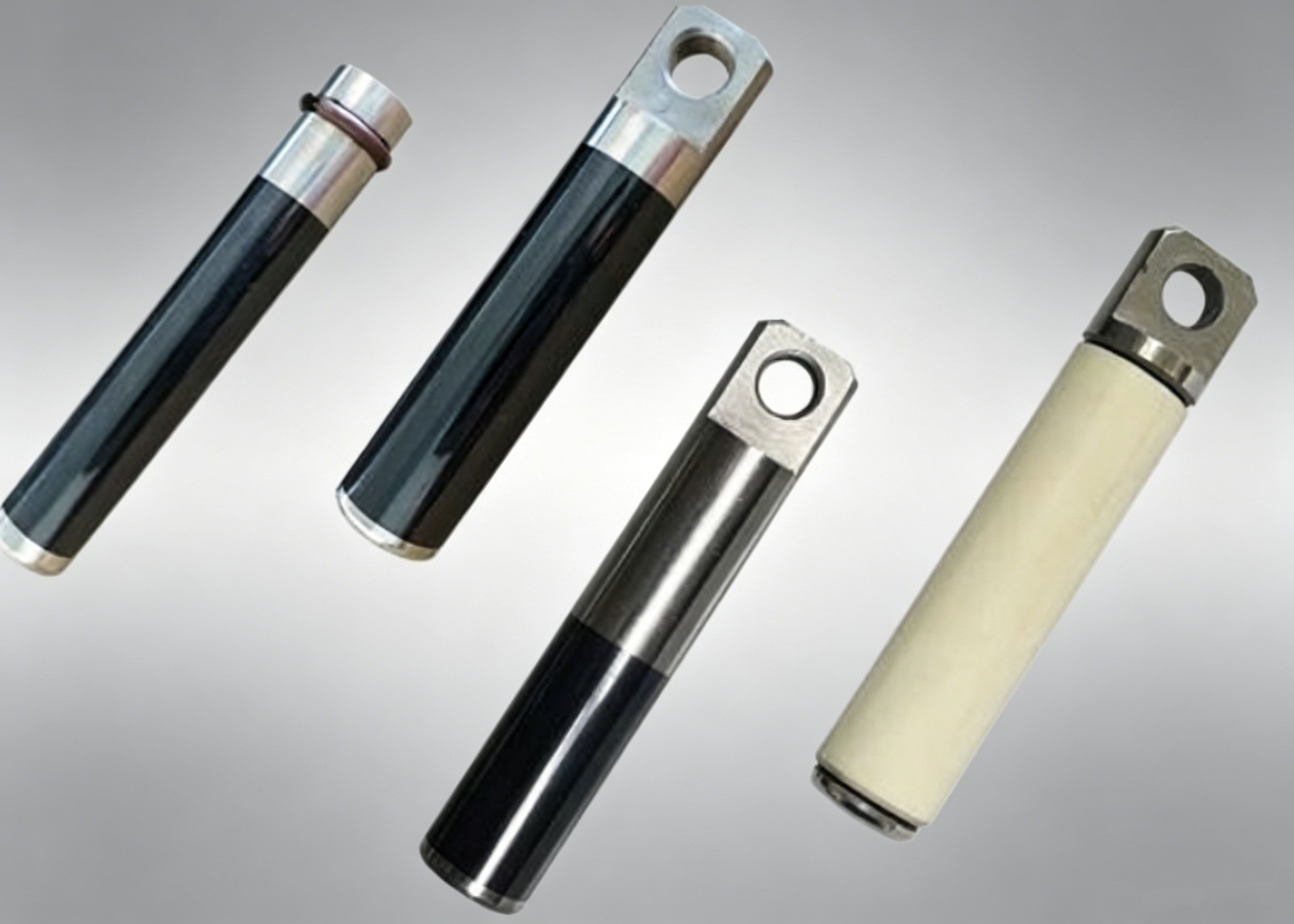
1. Stainless Steel Piston (2Cr13/420 stainless steel)
Advantages: Low cost, easy to process; standard equipment for home/low-end car washes.
Disadvantages: Generally soft; easily scratched by sand, mud, and hard water scale; poor wear resistance and short lifespan; prone to minor rust spots when exposed to water for an extended period.
Applicable: for use with small household cleaning machines, in situations where the water is pure and free of impurities.
2. Ceramic-coated stainless steel plungers (composite plungers).
Stainless steel substrate + surface coating of ceramic for wear resistance.
Advantages: Best value for money, highly wear-resistant and corrosion-resistant; its wear resistance is three times that of regular stainless steel.
Disadvantages: Cuts and impacts can cause the coating to detach, and once the coating is removed, the water seal quickly wears out.
Applicable: commercial car wash shops, small to medium-sized industrial cleaning pumps, main products for export volume.
3. Fully ceramic plunger (alumina ceramic).
Single-piece ceramic solid plunger.
Advantages: Extremely durable, no corrosion, low friction coefficient; virtually resistant to sand, mud, and hard water; standard equipment for high-pressure industrial machinery; lifespan is more than 5 times that of stainless steel.
Disadvantages: High fragility; prone to breaking upon falling or impact; high unit price.
Applicable: industrial high-pressure cleaning, rust and paint removal, pipe unblocking, equipment for continuous operation for extended periods (24 hours).
Summary: Construction site operations, commercial car washes with high levels of water impurities, and farm cleaning facilities operating at high frequency throughout the day – for these scenarios, opt for a full ceramic plunger car wash machine for home use or a spray ceramic plunger car wash machine if seeking cost-effectiveness under clean water conditions.