What are the applications of industrial vacuum cleaners?
Dust and other environmental pollutants pose significant threats to human physical and mental health. As people’s awareness of health issues grows, industrial vacuum cleaners are playing an increasingly important role in managing various types of dust and waste. Compared to traditional cleaning methods, industrial vacuum cleaners are more efficient and effective, helping numerous manufacturing enterprises to improve their production environments and reduce costs.
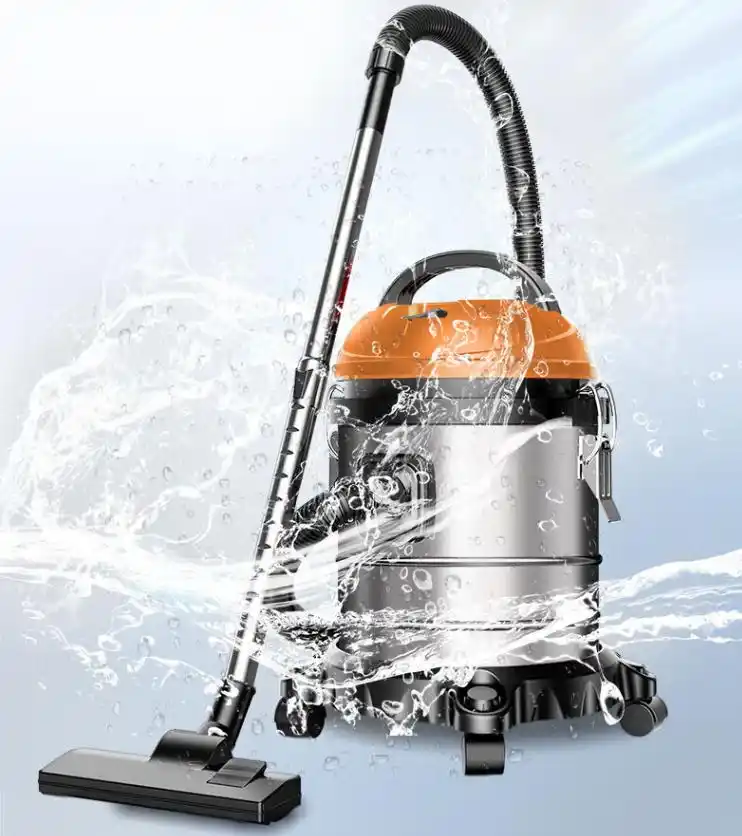
Dust and other environmental pollutants pose significant threats to human physical and mental health. As people’s awareness of health issues grows, industrial vacuum cleaners are increasingly playing a crucial role in managing various types of dust and waste. Compared to traditional cleaning methods, industrial vacuum cleaners are more efficient and effective, helping numerous manufacturing enterprises improve their production environments and reduce costs. As a result, their applications have become more widespread.
What industries actually use industrial vacuum cleaners? Let’s take a look together.
1. The textile industry.
Textile enterprises generate a significant amount of waste material, such as cotton fibers, wool fibers, loose threads, fabric scraps, and fiber dust, during the production process. Failure to clean these up regularly not only poses a threat to the physical and mental well-being of the workers but can also lead to equipment malfunctions. Only specialized industrial vacuum cleaners can effectively remove these substances.
2. The cement industry.
Dust is the most significant pollutant source in cement factories, and it is also a very important indicator for environmental control. Throughout the entire process of cement production, dust removal is an essential and critical step. Most of the dust is cleaned using large-capacity dust collectors. However, some stages of the process make it impossible to thoroughly clean the dust collectors. For example, during the process of mixing, unloading, and transportation, large amounts of dust can settle on equipment and various corners of the floor. In such cases, dust collectors are unable to address the issue, necessitating the use of industrial vacuum cleaners for cleanup. Additionally, due to the relatively high volume of dust and extended working hours, most industrial vacuum cleaners used are of high power, typically 5.5-7.5 kW in capacity.
3. Polishing industry.
The polishing industry can be broadly categorized into automotive polishing, floor polishing, wall polishing, furniture polishing, and metal polishing, depending on the specific conditions. Regardless of the type of polishing, various types of dust pollution are generated, which not only pollute the environment but also pose risks to human health. Therefore, industrial dust collection and filtration equipment are indispensable.
4. Machinery manufacturing industry.
Common types of mechanical processing include sheet metal work, lathes, grinders, milling machines, cutting tools, CNC lathes, drilling machines, and metal laser cutting. During the manufacturing process, various debris, metal particles, dust, airborne particles, and oil residues are generated. These can directly impact the environment of the production workshop, posing certain risks to the health of workers while also affecting the quality of the machinery and materials used in the workshop. With the vigorous implementation of national environmental protection policies, mechanical manufacturing enterprises have become key targets for environmental inspections. The demand for industrial vacuum cleaners among these enterprises has shifted from optional to essential. There are numerous mechanical manufacturing facilities across the country, with varying sizes, but all of them generally require industrial vacuum cleaners to address issues related to the environment in their production workshops.
5. Food and pharmaceutical industries.
During the production and packaging of food and pharmaceuticals, certain dust particles can be generated. If these particles are not promptly cleaned up, they can adversely affect the quality of food and pharmaceutical production, leading to non-compliance with acceptable standards. Therefore, it is essential for the production work environment to meet the standards of being dust-free and clean. Industrial vacuum cleaners can not only clean equipment and floor dust but can also be used in conjunction with production and packaging equipment. This helps to address dust issues at their root cause and ensures the production of healthy and compliant food and pharmaceuticals.
6. High-speed trains and bullet trains.
There are 18 railway administrations and 69 locomotive depots nationwide. 41 cities have introduced metro systems. Whether it’s high-speed trains, bullet trains, or metros, various cleaning equipment is required during maintenance, cleaning, and preservation. Industrial vacuum cleaners are indispensable, as they are necessary for thoroughly removing dust from vehicle electrical equipment, thereby preventing secondary pollution.