the-impact-of-different-water-source-on-high-pressure-cleaning-machines
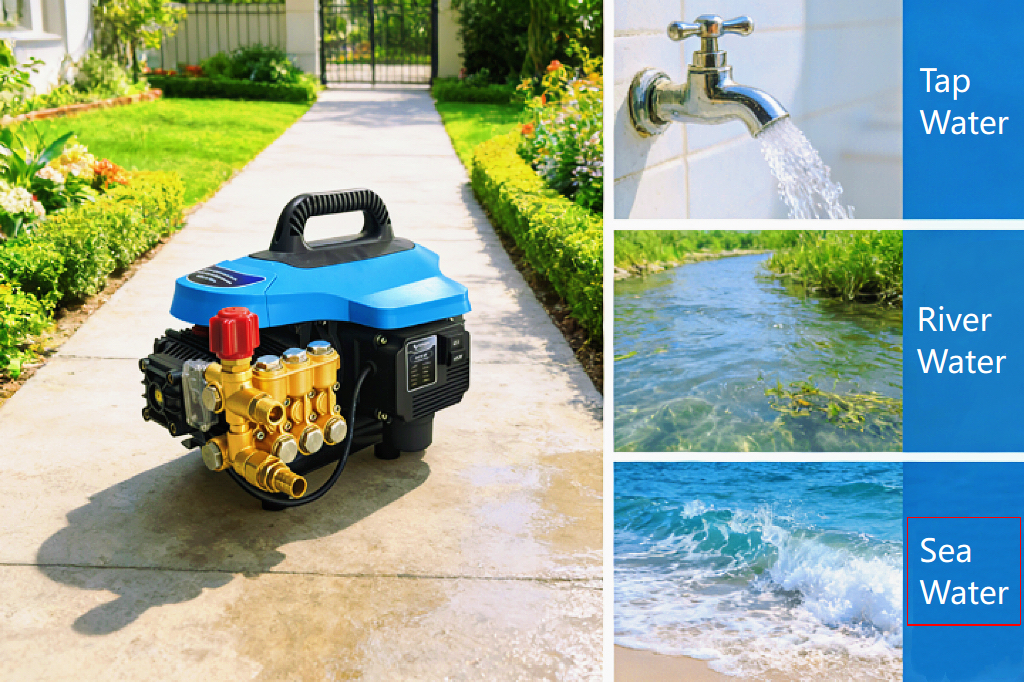
The core performance of high-pressure cleaning machines is directly related to the service life of the water supply and the physical and chemical characteristics of the water quality. impurities, hard ions, acidity and other indicators of different water quality will wear from the drain. Component corrosion, fouling and blockage affect the operation of equipment, especially in industrial scenarios such as 1.8kW small and medium power machines (such as 80bar / 11L / min, 65bar / 13L / Min specifications), which are more sensitive to water quality fluctuations. The following is an analysis of the impacts, hazard mechanisms and response options of common water quality types:
I. Specific effects of different water quality types
1. Tap water (municipal water supply)
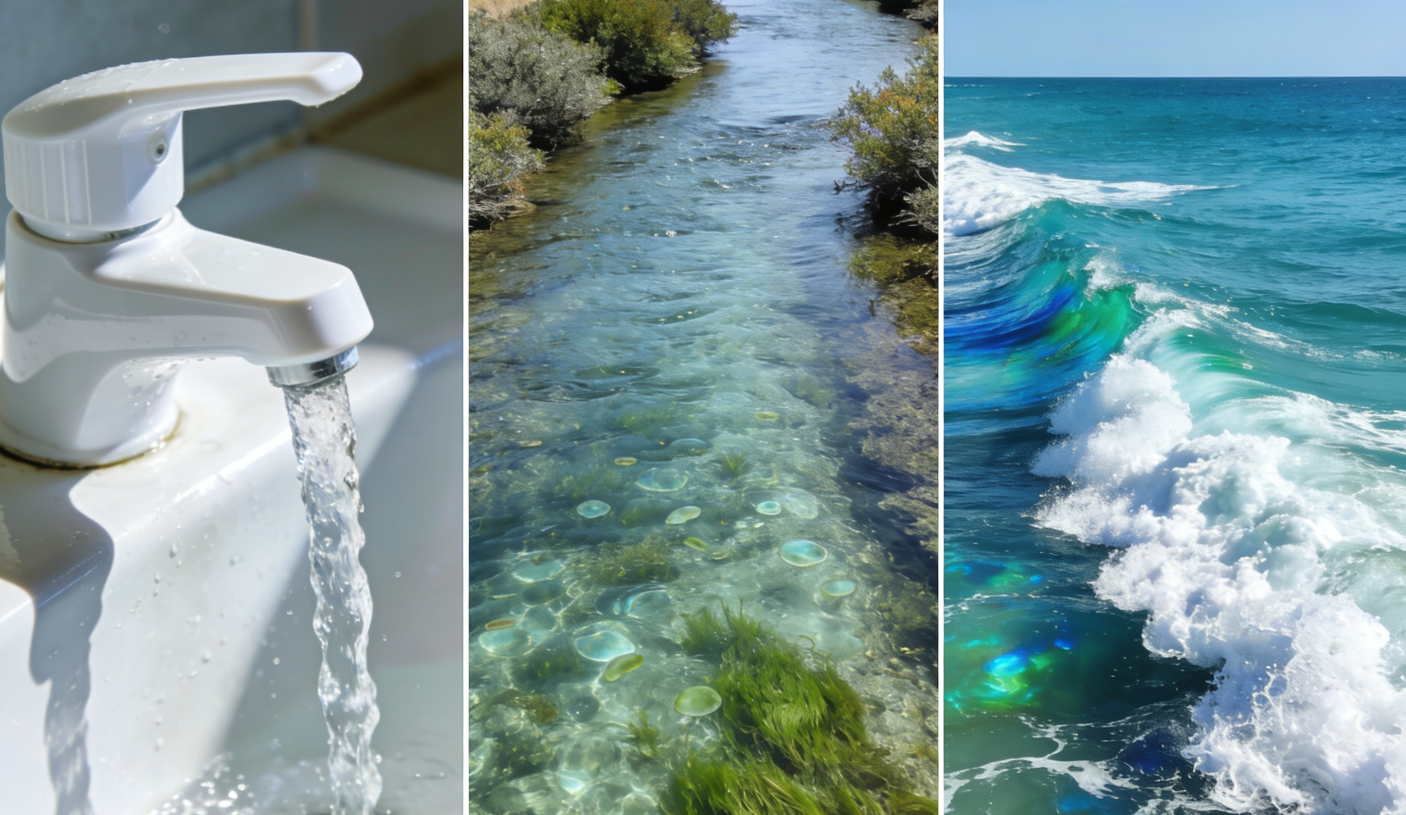
Municipal tap water is the most commonly used water source for high-pressure washers, and the impurity content is < 10mg / L and the hardness is < 250mg / L (based on CaCO3) when the water quality reaches the standard, which can basically meet the needs of equipment operation.However, in some areas, tap water contains trace amounts of dirt and rust, and long-term use will cause pressure pump cylinder jams. The slight wear of the sealing ring, along with the slow accumulation of calcium and magnesium ions in the high temperature and high pressure flow channel, causes the nozzle flow to decrease (e.g., the 11L / min model may drop to 9-10L / Min), and the pressure output stability decreases.
2. Hard water (groundwater / well water)
The calcium and magnesium ion content of hard water is > 300 mg / L, which is the "main natural enemy" of high-pressure washing machines. When the high pressure pump is operating, the water temperature is increased by mechanical friction (up to 40-60 ° C), and calcium and magnesium ions combine with carbonate in the water to form calcium carbonate tartar, which attaches to the surface of the pump waterway, the inner wall of the nozzle and the heating pipe (hot water type). For the 80bar high-pressure machine type, dirt will shrink the flowway section area, increase the load of the pump, and the 1.8kW motor is prone to overload, while nozzle blockage will directly cause the pressure to drop abruptly, and cannot reach the rated 80bar operating pressure. Long-term fouling will also cause poor heat dissipation of the pump body and shorten the service life of the mechanical seal.
3. River / lake water (natural source of water)
Natural water contains a large number of sediment, algae, suspended solids, impurity particle size can reach more than 50 μm, far from the high pressure washing machine inlet filter (usually 40 μm) filtration capacity.When these solid particles enter the high pressure pump, they will cause serious scratches in the cylinder, the seal ring will rapidly age and leak, and even cause the pump to become stuck. In addition, microorganisms in natural water sources will breed mud in the flow channel, further blocking the pipeline. For large flow engines of 13L / min, mud blockage will also trigger water flow disruption, increasing the risk of pump gas corrosion.
4. Seawater / Saline Wastewater
The salt content of seawater is about 35 g / L, and the chloride ion concentration is extremely high, which will produce electrochemical corrosion on the metal parts of the high-pressure washing machine (pump body, pipe fittings, nozzle). Stainless steel components are prone to spot erosion in the chloride ion environment, cast iron pumps will accelerate rust, and short-term use (such as marine cleaning) may cause nozzle corrosion and deformation, reducing the jet pressure and flow accuracy; At the same time, the salt will crystallize in the drain, forming a hard salt tartar, which is much more difficult to clean than calcium and magnesium tartar.
II. Targeted response measures
1. Physical Filtering
Installation of multi-stage filtration system in the water inlet, municipal tap water can use 50μm pre-filter, natural water needs to match sand filter + PP cotton filter (5μm), intercept solid impurities;For large flow models (such as 13 L / min), large flux filters can be selected to avoid insufficient water due to filtration resistance.
2. Soft processing
In hard water area, an ion exchange water softener should be installed to replace calcium and magnesium ions by sodium ions to reduce the hardness of water below 100mg / L. Small scenarios can add food-grade soft water agents (such as sodium triphosphate) to the tank at a ratio of 1: 1000 to temporarily reduce the hardness of the water.
3. Preservation and cleaning
After using seawater or salty wastewater, immediately rinse the equipment pipeline with clean water for 5-10 minutes to avoid salt residue; At the same time, an anti-rust agent is added to the pump body to protect the metal parts. For scenarios where the risk of corrosion is high, corrosion-resistant machine models such as titanium nozzles and stainless steel pumps can be chosen.
4. Regular maintenance
For every 50 hours of operation, dismantle the cleaning nozzle and pump drain to remove dirt and impurities; Replace the oil of the high pressure pump once a year, check the wear condition of the pistons and sealing rings, replace aging parts in a timely manner, ensure that the pressure output of the 80bar / 65bar machine is always stable, and avoid "decay" of performance due to water quality problems.
Water quality management is the basis for the efficient operation of high-pressure cleaning machines, and appropriate treatment measures for different water source characteristics can effectively avoid the deterioration of equipment pressure. Parts damage and other problems, especially for export aircraft models, need to combine the water quality characteristics of the target market (e.g., the hard water quality and high salinity in the Middle East region such as Iraq), and configure water treatment accessories in advance to ensure that the equipment achieves the rated performance in actual use and does not experience performance degradation.
Can I put together a list of water quality adaptation options for a high pressure cleaning machine for you to quickly match water treatment options according to different use scenarios?