
Comprehensive Analysis of Performance Comparison between Plunger Pump and Crankshaft Pump
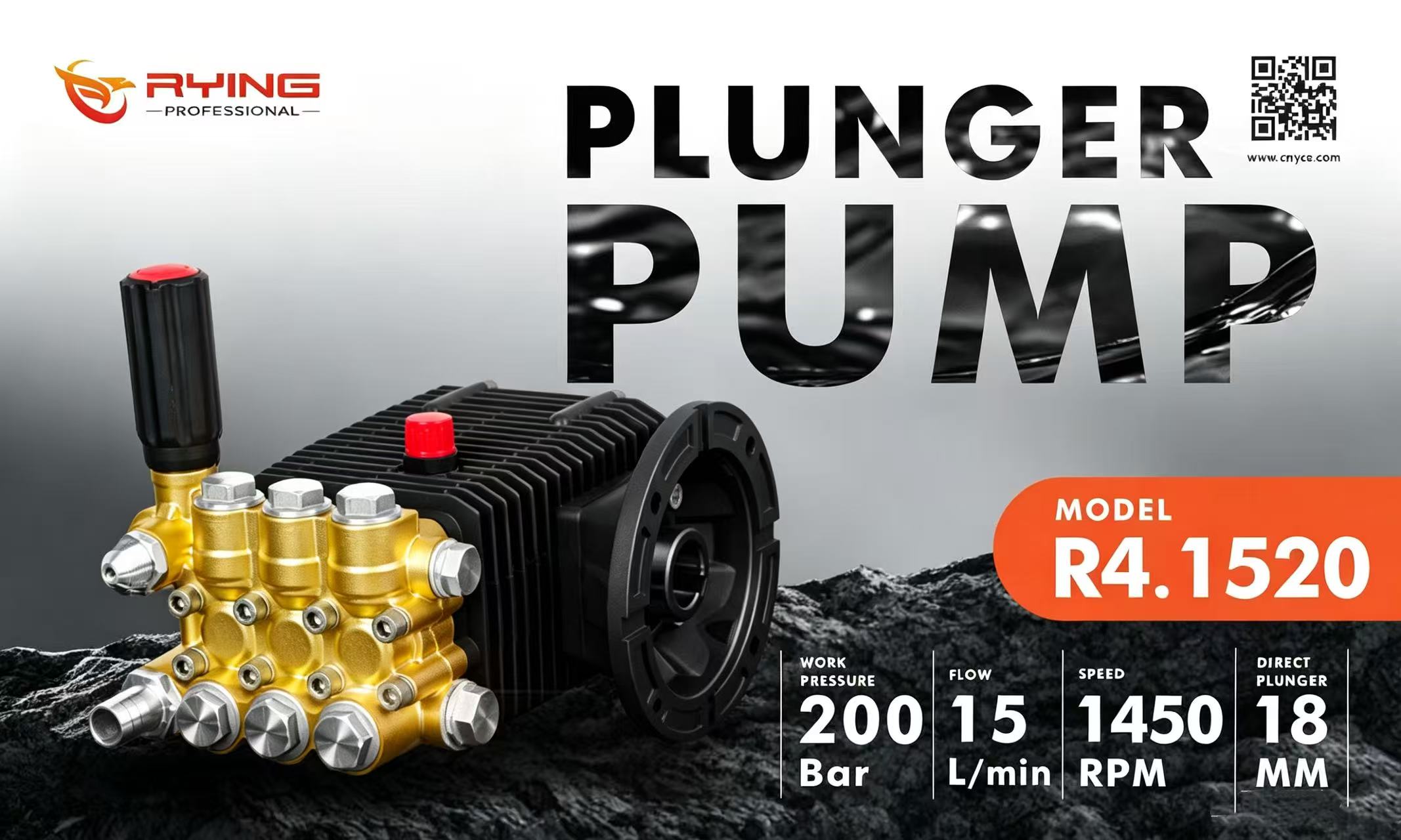
Full analysis of performance comparison between piston pump and shaft pump
◆ Performance features
Pressure and flow performance
1 Pressure pump
The pressure is stable between 10-100 MPa, especially suitable for high pressure scenarios
Volumetric design makes the water flow more stable and meets long-term operational requirements
The structure is compact and reasonable and can adapt to different powers of car wash equipment
2 Crankshaft pump
Higher pressure capacity and designed for extremely high pressure
The flow regulation range is wider and can accurately match various cleaning needs
The operating noise is lower than the piston pump and the working environment is quieter
◆ ◆ Structure complexity
1 Pressure pump
The rotary disk mechanical structure is simple and the number of core components is small
Easy daily maintenance, common faults can be quickly handled
The lubricant requirements are not high and the maintenance process is simple
2 Crankshaft pump
Precision structures such as crankshaft joints are used, and process requirements are high
Maintenance requires the operation of a professional technician
Critical components such as bearings and shafts need to be replaced regularly
◆ User Experience
◆ ◆ Warranty & Life
1 Pressure pump
The standard material can last 2-3 years, and the copper nickel plating process can be extended to 1000 + hours.
The piston components and seals need to be replaced on a cycle basis
Recommended for medium-strength commercial premises
2 Crankshaft pump
High-quality products can have a design life of more than 5 years
Steel porcelain pistons with copper alloy pumps have better wear resistance
Specially suited for high-intensity continuous operations at a professional car wash
◆ ◆ Applicable scenarios
1 Pressure pump
Ideal for home and small car wash shops
Small size, flexible mobile installation
Low acquisition cost and high overall value for money
2 Crankshaft pump
Professional car wash centers and large commercial venues are preferred
Cleaning large vehicles such as SUVs is better
Support for longer high-voltage system configurations
Maintenance Costs
◆ ◆ Daily maintenance
1 Pressure pump
It is recommended to minor repairs and replace sealing components every 6 months
Annual inspections should be concerned with the wear condition of the pistons
The average annual maintenance cost accounts for 5-10% of the value of the equipment
2 Crankshaft pump
The cycle of minor repairs, middle repairs and major repairs needs to be strictly implemented
Shafts and bearings need to be lubricated and replaced on a regular basis.
The average annual maintenance cost is about 15-20% of the value of the equipment
Troubleshooting
1 Pressure pump
Common failures are mostly sealing system failures
Accessories are cheap and simple to replace
The downtime is usually within 1 business day
2 Crankshaft pump
Deformed or worn crankshafts need to be returned to the factory to be repaired
Purchase costs of original parts are high
Complex failures can result in 3-5 days of downtime